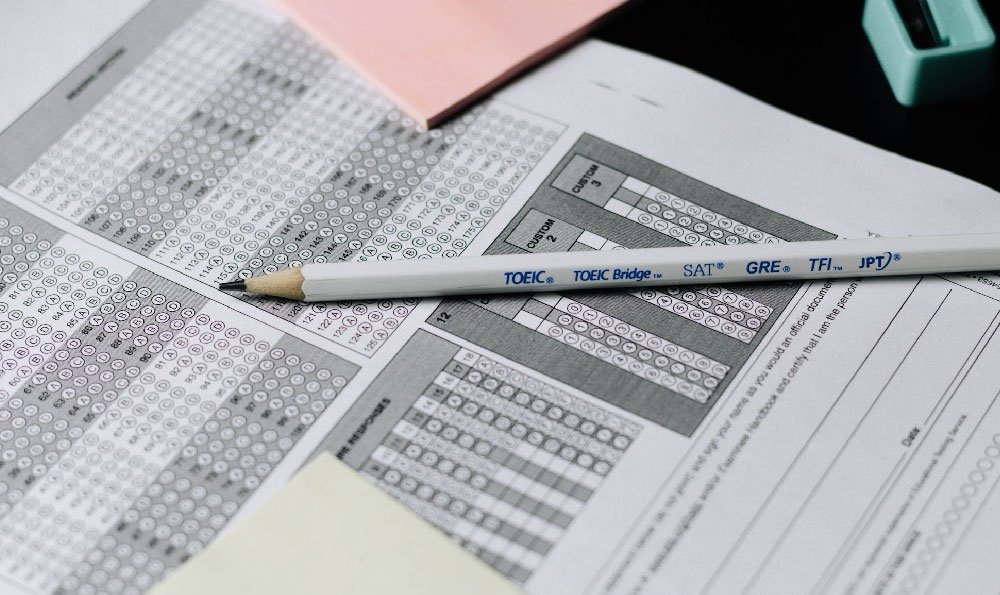
成人高考是一种通过考试来实现自身学历升级的途径,对于许多已经步入社会、有一定工作经验的成年人来说,这是一次重要的机会。而在成人高考中,语文作为一门重要的科目,对于考生来说尤为关键。在备考阶段,一本好的语文常用词典是必不可少的辅助工具。本文将介绍一本针对成人高考语文的常用词典,帮助考生更好地备考。
1. 适用范围与特点:
这本常用词典主要是面向成人高考语文考试,它兼顾了中学教材的要点和大纲要求,同时也考虑到成人考生的实际情况。在编写这本词典时,作者综合了各个教材的知识点,并结合了真实的考试题目,以确保考生能够针对考试内容进行有针对性的学习。
2. 含量详尽:
这本词典收录了成人高考语文所需要的常用词汇,涵盖了与各个文体、题材相关的词汇。考生可以根据自己的需求选择相应的词汇进行学习,从而全面提高语文水平。词典中还附有例句和用法解释,方便考生理解和记忆。
3. 权威性和准确性:
这本词典由语文教育专家和成人高考资深教师共同编写,并经过多次的讨论和修改,确保词条的权威性和准确性。考生可以放心地参考其中的内容,并将其应用到实际的考试中。
4. 实用性和易用性:
这本词典在编写时考虑到了考生的实际情况,词条之间设置了详细的交叉引用,方便考生查找和学习。词典还提供了多种学习方法和技巧,帮助考生更好地利用这本工具书进行备考。
5. 生动形象的词汇:
在这本词典中,作者采用了生动形象的词汇,以便更好地传递知识和信息。在解释某个词汇时,作者会用一个简短的小故事或者是一个形象的比喻来帮助考生理解和记忆。这种方式使得学习语文变得更加有趣、更加容易。
6. 比较和对比的词汇:
为了使考生更好地理解词汇的用法和意思,词典中还使用了比较和对比的词汇。在解释一个词汇时,作者会将其与其他类似的词汇进行对比,指出它们之间的差异和联系。这种方式使得考生能够更好地掌握词汇的用法和特点。
在成人高考语文备考过程中,一本好的语文常用词典是非常重要的工具。它不仅能够帮助考生扩大词汇量,提高语言表达能力,还能够帮助考生更好地理解和掌握考试内容。通过使用这样的常用词典,考生可以更加高效地备考,取得优异的成绩。我们强烈推荐这本专为成人高考语文准备的常用词典,相信它能够帮助广大考生取得理想的成绩。
成人高考试题及答案语文
一、成人高考的背景与意义

成人高考(Adult College Entrance Examination)是指在年满18岁并具备中学毕业同等学力的人员,通过自主申请参加高等学校招生考试。成人高考的出现,旨在解决工作经验丰富而教育程度相对较低的人群继续深造的需要,为广大成年人提供了进一步提升学历和职业发展的机会,具有一定的社会和经济意义。
二、成人高考语文试题的特点
成人高考语文试题在内容和形式上与普通高考存在一定差异。相对于普通高考的应试性质,成人高考更注重对考生实际水平的考查和选拔。成人高考语文试题更趋向于实际与能力培养的结合,更强调应用能力和解决问题的实践能力。试题涵盖了语言文字的基本知识、理解与应用、鉴赏与评价、创造与表达等方面的内容。
三、成人高考语文试题的例子及答案解析
1. 阅读理解题
例题:下列说法中,有错误的一项是()
A. 在文言文中,“予”和“余”可以互换使用
B. “一日不见如隔三秋”中的“秋”是指季节
C. “我见犹怜”中的“怜”是指遗憾
D. “千山鸟飞绝,万径人踪灭”中的“踪”是指足迹
答案:A. 在文言文中,“予”和“余”并非可以互换使用。虽然两个字的意思相近,都表示“我”,但在文言文中,“予”多用于自称,如《诗经·小雅·鹿鸣》中的“予思乡士,其如蝼何?”,而“余”多用于他称,如《史记·楚世家》中的“余闻公子之贤而不见公子”。
2. 作文题
例题:请以“家乡的变化”为题,写一篇不少于800字的作文。
答案:家乡的变化
(此处展开论述家乡的变化,包括人口变化、经济发展、社会环境等方面的变化,结合个人观察和亲身经历进行描述,使用具体的事例和数据来支持论点。最后进行强调家乡的变化给自己带来的启示和感悟。)
四、总结
成人高考语文试题的编写旨在考察考生的语文综合能力和对语言文字的理解与应用能力。对于考生来说,通过对语文试题的学习和答题,可以提高自己的语言文字表达能力和分析解决问题的能力,同时也能为个人的职业发展提供有力的支持。准备成人高考语文试题不仅是为了应试,更是为了提升自己的综合素质和实现人生价值的重要一步。
成人高考英语可以带词典吗
Introduction:

The topic of whether adults taking the English test in the adult college entrance examination can bring a dictionary has sparked heated debates. Proponents argue that allowing dictionaries will enhance test-takers' language learning and skill development. On the other hand, opponents emphasize the importance of testing individuals' language proficiency without external aids. This article aims to provide a comprehensive analysis of the issue, delving into the arguments from both sides.
Enhancing Language Learning:
Advocates of allowing dictionaries argue that they serve as potent learning tools. Students can look up new vocabulary, enhance their understanding of grammar rules, and improve pronunciation. A dictionary facilitates independent learning and enables test-takers to take control of their language proficiency development. Moreover, it can foster a sense of autonomy and motivation among learners, as they are able to explore the language beyond the limitations of textbooks and study materials.
Testing Language Proficiency:
Opponents of dictionary use during the adult college entrance examination maintain that it is essential to evaluate a candidate's language proficiency accurately and fairly. English proficiency tests are designed to assess one's ability to apply learned knowledge in real-life situations. Permitting dictionaries may undermine the integrity of the examination, as candidates can easily search for answers rather than rely on internalized knowledge. The aim of the examination is to measure the language skills developed over time and not the ability to retrieve information from a dictionary.
Balancing the Two Perspectives:
To strike a balance between the benefits of using dictionaries and the importance of testing language proficiency, some suggest allowing a limited range of dictionaries during the exam. For example, test centers could provide standard English-English dictionaries, which encourage learners to grasp the meanings of words through English explanations. This compromise would enable candidates to use dictionaries as a tool for comprehension and clarification, without heavily relying on them for directly providing answers.
Conclusion:
The question of whether adults taking the English test in the adult college entrance examination can bring a dictionary remains a divisive issue. While dictionaries can undoubtedly aid language learning and provide support during exams, it is crucial to assess language proficiency accurately without external aids. Striking a balance, such as providing designated dictionaries for limited use, could potentially satisfy both sides of the debate. Ultimately, the decision should prioritize the enhancement of language learning and the fair evaluation of individual language proficiency.