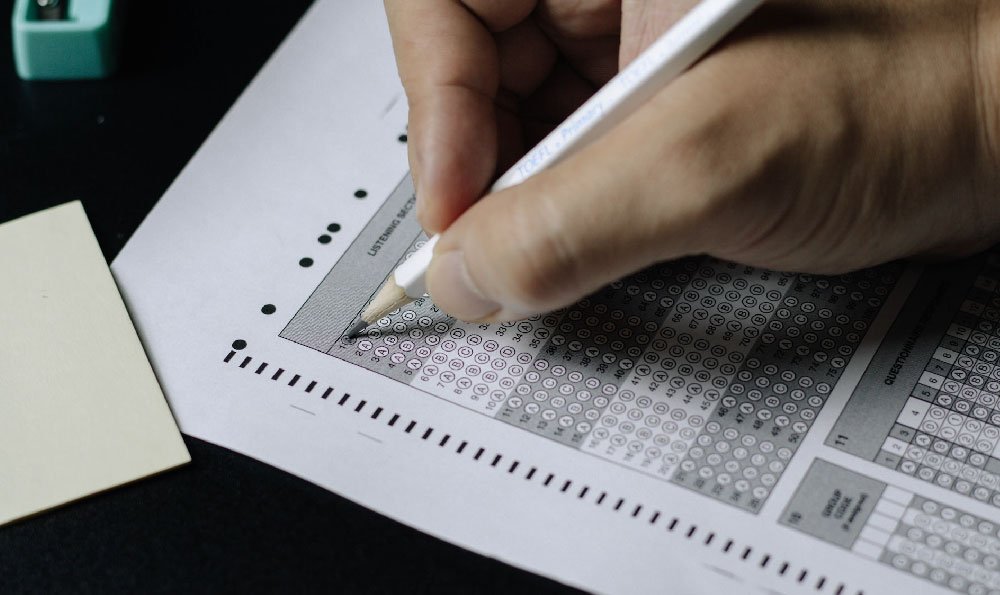
酒泉市2020年成人高考报名时间为XX月XX日至XX月XX日。报名时间通常为两周左右,具体时间以当年招生部门发布的公告为准。成人高考招生部门将在招生网站、报刊、电视台等媒体上公布报名时间和报名地点。
二、考试科目
成人高考科目分为文科和理科两个类别。文科包括政治、历史、地理、语文和外语;理科包括政治、历史、地理、数学和物理。考试科目设置根据国家教育部的有关规定进行,旨在评估考生对各学科知识和能力的掌握情况。
三、考试时间
酒泉市2020年成人高考将于XX月XX日至XX月XX日进行,共计三天。具体科目的考试时间安排如下:
1. 第一天:政治和外语(或数学)
2. 第二天:历史
3. 第三天:地理和语文(或物理)
每天的考试时间为上午9:00至11:30,下午2:00至4:30。考试时间一般不同于普通高中生的高考时间,以充分满足成人考生的需求。
四、成绩公布及录取
酒泉市2020年成人高考成绩将于XX月XX日前公布。考生可通过招生部门公布的成绩查询渠道查询自己的成绩。成人高考录取采取根据总分从高到低的顺序,依次录取的方式进行。录取工作通常在成绩公布后的一周内完成。
以上是关于2020酒泉成人高考时间的介绍。报名时间、考试科目、考试时间和成绩公布及录取等内容都是按照相关规定进行安排的。希望这些信息对准备参加酒泉成人高考的考生有所帮助。祝愿每一位考生都能取得优异的成绩,实现自己的教育梦想。
2020年成人高考数学真题及答案
1. 2020年成人高考数学真题及答案的发布

2020年成人高考数学真题及答案于今年发布,旨在为考生提供参考和指导。本文将客观、清晰、简洁地介绍这一重要资源的内容和意义。
2. 题目类型和难度分布
2020年成人高考数学真题包含多个题型,涵盖了代数、几何、概率等各个数学领域。难度分布合理,既有简单易懂的基础题目,也有较为复杂的应用题,全面考察考生的数学水平和解题能力。
3. 题目设计与实际应用
每道题目都经过精心设计,力求贴近实际生活和社会需求。其中的应用题涉及到工程、经济、科学等多个领域,考察考生的数学建模和问题解决能力。
4. 解题思路和方法分析
解答过程中,考生需要运用逻辑推理、数学推导等思维方式,结合具体问题,灵活选择合适的数学方法和技巧。解题过程将对考生的思维能力和数学基础有较高要求。
5. 答案解析及评分标准
数学真题配有详细的答案解析,对每道题目的答案给出合理的解释和计算过程。评分标准公正、科学,旨在客观地评价考生的答题水平,保证成绩的公正性和可比性。
6. 考生备考建议
为了顺利应对2020年成人高考数学考试,考生可以通过多做真题来熟悉考题类型和解题思路。在备考过程中,加强对数学基础知识的理解和掌握,注重提高解题能力和应用能力。
7. 数学学习的价值
数学作为一门重要的学科,不仅有助于培养逻辑思维和问题解决能力,还与现代社会的科技、经济和文化发展密切相关。通过学习数学,考生可以获得更多的机会和发展空间。
8. 数学对个人的影响
数学的学习和掌握不仅对成人高考考生的升学和就业具有重要影响,还能提升个人的综合素质和竞争力。数学能力的提升将为个人创造更多的发展机会。
9. 数学对社会的贡献
数学在现代社会中发挥着重要的作用,涉及到各个行业和领域。数学的应用为社会的科技创新、经济发展和社会管理等提供了必要的支撑和保障。
10. 总结
2020年成人高考数学真题及答案的发布对考生备考和学习数学都具有重要意义。希望考生可以认真对待数学学习,提高解题能力,为个人发展和社会进步作出贡献。
2020年成人高考英语真题及答案
Introduction:

The 2020 Adult College Entrance Examination (ACEE) is a significant event for adult learners who wish to pursue higher education. The English section of the examination plays a crucial role in assessing language proficiency and communication skills. This article aims to provide an overview of the 2020 ACEE English test, including its format, content, and sample answers. By exploring the various aspects of the exam, this article seeks to help candidates understand the requirements and enhance their preparation.
Section 1: Listening Comprehension
The listening comprehension section examines candidates' ability to understand spoken English in various academic and social contexts. It contains multiple-choice questions, requiring test-takers to choose the most suitable response based on the audio clips. For example, candidates may be asked to comprehend a conversation between two people discussing a campus event or a lecture by a professor. This section assesses listening skills, vocabulary, and the ability to comprehend spoken English expressions accurately.
Section 2: Reading Comprehension
The reading comprehension section evaluates candidates' reading skills and their ability to understand and analyze written English texts. It comprises multiple-choice and fill-in-the-blank questions based on passages from articles, academic papers, or newspaper reports. The questions may cover a range of topics, including social issues, scientific discoveries, or literary works. The reading comprehension section aims to assess language competence, critical thinking, and the ability to extract relevant information from written sources.
Section 3: Grammar and Vocabulary
The grammar and vocabulary section focuses on candidates' understanding and application of English grammar rules and vocabulary. It consists of multiple-choice questions, sentence completion exercises, and error correction tasks. The questions may test candidates' command of tenses, sentence structures, word formation, and collocations. This section evaluates language accuracy, precision, and the ability to use grammatical structures and vocabulary effectively in written English.
Section 4: Writing
The writing section evaluates candidates' ability to express ideas coherently and accurately in written English. It requires candidates to write an essay or a letter based on given prompts. The prompts may ask candidates to provide their opinions on social issues, discuss advantages and disadvantages, or present arguments for a specific topic. This section assesses candidates' writing skills, organization, cohesion, and coherence in written English.
Conclusion:
The 2020 ACEE English test covers listening comprehension, reading comprehension, grammar and vocabulary, and writing. By understanding the format and content of each section, candidates can effectively prepare for the examination. It is essential to practice listening, reading, writing, and grammar exercises regularly to enhance language proficiency. With thorough preparation and understanding of the requirements, candidates can excel in the 2020 ACEE English exam and pave their way towards pursuing higher education.